

Weekly Freight Report: September 4, 2026
Starting September 18, US Customs and Border Protection will begin voiding importer numbers on the spot for anything wrong on Form 5106, a compliance check that can shut off your ability to import with no warning period first. Ocean carriers spent the week absorbing a run of typhoons that closed Chinese ports, which pushed transpacific spot rates to fresh highs and dragged global schedule reliability to its worst reading in five years. On the trucking side, a blockade at the Calexico border crossing over revoked B-1 visas and a run of multi-state safety blitzes both point to the same thing: capacity keeps tightening as enforcement does. Here is what changed and what it means for your shipments.
CBP Will Start Voiding Importer Numbers on September 18 for Bad Form 5106 Data
Beginning September 18, CBP will immediately void the importer number of any company with inaccurate or incomplete data on file on Form 5106, with no warning first. The form requires six pieces of information: importer name, IRS EIN or Social Security number, mailing address, physical business address, phone number and email. CBP is specifically checking that the physical address is a real business location, not a PO box or a broker’s address, and that the phone and email belong to the importer directly rather than to a broker or forwarder. A voided number is invalid for any purpose, including bringing goods into the country, and CBP notifies only by email on file once the change is made. This comes out of Executive Order 14411, signed June 3, which ordered a full review of importer compliance. If your Form 5106 has not been checked recently, get it done before September 18.
Container Shipping’s On-Time Performance Just Hit a Five-Year Low
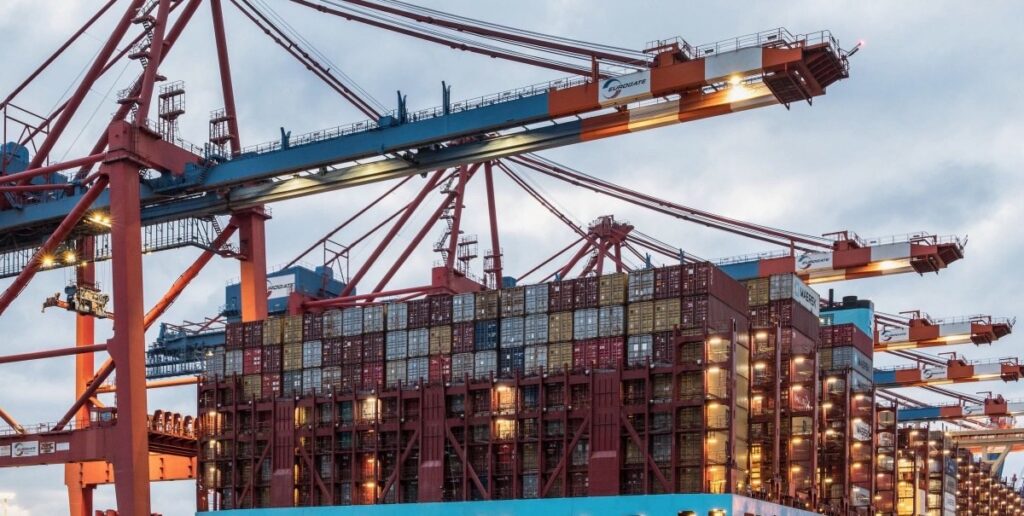
Global container vessel schedule reliability fell to 56.4% in July, down 6.1 percentage points from June, according to Sea Intelligence. That is the sharpest single-month drop since January 2021, and the average delay on a late vessel climbed to just over six days. Every one of Asia’s 14 busiest ports saw on-time arrivals fall, and Shanghai alone dropped to 21%, its lowest mark in 14 years of recorded data outside the pandemic. Sea Intelligence pins the cause on a string of typhoons that hit Chinese and regional Asian ports through the summer. If your freight is moving through Shanghai or another Chinese gateway right now, build extra days into any delivery commitment you make.
Trans-Pacific Spot Rates Hit New Highs as Port Closures Stack Up
Spot rates from Shanghai to the US West Coast rose 2% to $7,621 per 40-foot container, and Shanghai to the East Coast climbed 2% to $9,791, both fresh highs for the year. The same typhoon damage behind this week’s schedule reliability numbers is driving it: a succession of storms since mid-July has forced repeat closures at Shanghai and Ningbo, and carriers are skipping port calls and rerouting through transshipment hubs to work around the backlog. Demand has not cooperated either, staying firmer than expected since May instead of easing into a typical late-summer lull. Every workaround a carrier takes adds transit time on top of the rate increase, so price in both when you’re quoting transpacific freight this month.
Mexican Truckers Blockade the Calexico Border Crossing Over Visa Revocations
Truck drivers blockaded the Calexico East-Mexicali crossing Thursday morning to protest B-1 visa revocations, with simultaneous protests reported at the San Luis Rio Colorado crossing in Sonora. B-1 visa holders can move international cargo between Mexico and the US but cannot haul domestic freight once they’re here, and drivers say US inspectors are pulling visas without clear guidance on what activities cross that line. Between 11 and 17 drivers reportedly lost their visas in the Mexicali region in the past week alone. Calexico East handles about 1,255 commercial trucks and roughly $2 billion in trade a year, and authorities warned the protest could spread to other crossings if the cabotage rules aren’t clarified. If you route freight through Calexico or nearby crossings, expect longer wait times and have a backup crossing in mind.
Multi-State Truck Safety Blitzes Put 99 Drivers Out of Service
Enforcement operations across six states in late August inspected close to 800 commercial vehicles and turned up thousands of violations. Texas led with 351 inspections and 1,935 violations, Arizona followed with 309 inspections and 1,042 violations, and smaller operations ran in Florida, Pennsylvania, Georgia and Indiana. Across all six, 99 drivers and well over 200 vehicles were placed out of service. It is another data point in the same capacity story running all year: trucks and drivers pulled off the road by enforcement do not come back quickly, which keeps supply tighter than volume alone would suggest. Budget for it, because tighter enforcement is not letting up heading into peak season.
CBP Opens Comment Period on a New Supply Chain Visibility Rule
CBP published an advance notice on September 2 asking the trade community 64 questions about new supply chain visibility requirements, including identifying key parties in the import process, improving business identifiers, collecting foreign export documentation, and using new technology to trace goods. The agency has not proposed actual regulatory text yet. This is part of Executive Order 14411, the same order behind this week’s Form 5106 enforcement above, and CBP is using the comment period to shape what a future rule looks like before it writes one. Comments are due December 1 through the Federal Rulemaking Portal under docket USCBP-2026-1058. If your import program would be affected by new visibility or documentation requirements, this is the window to say so before the rule is written, not after.
Get the freight report every week
The headlines that move your freight, and what they mean for your shipments. Every Friday.